Sequence Annotations Search
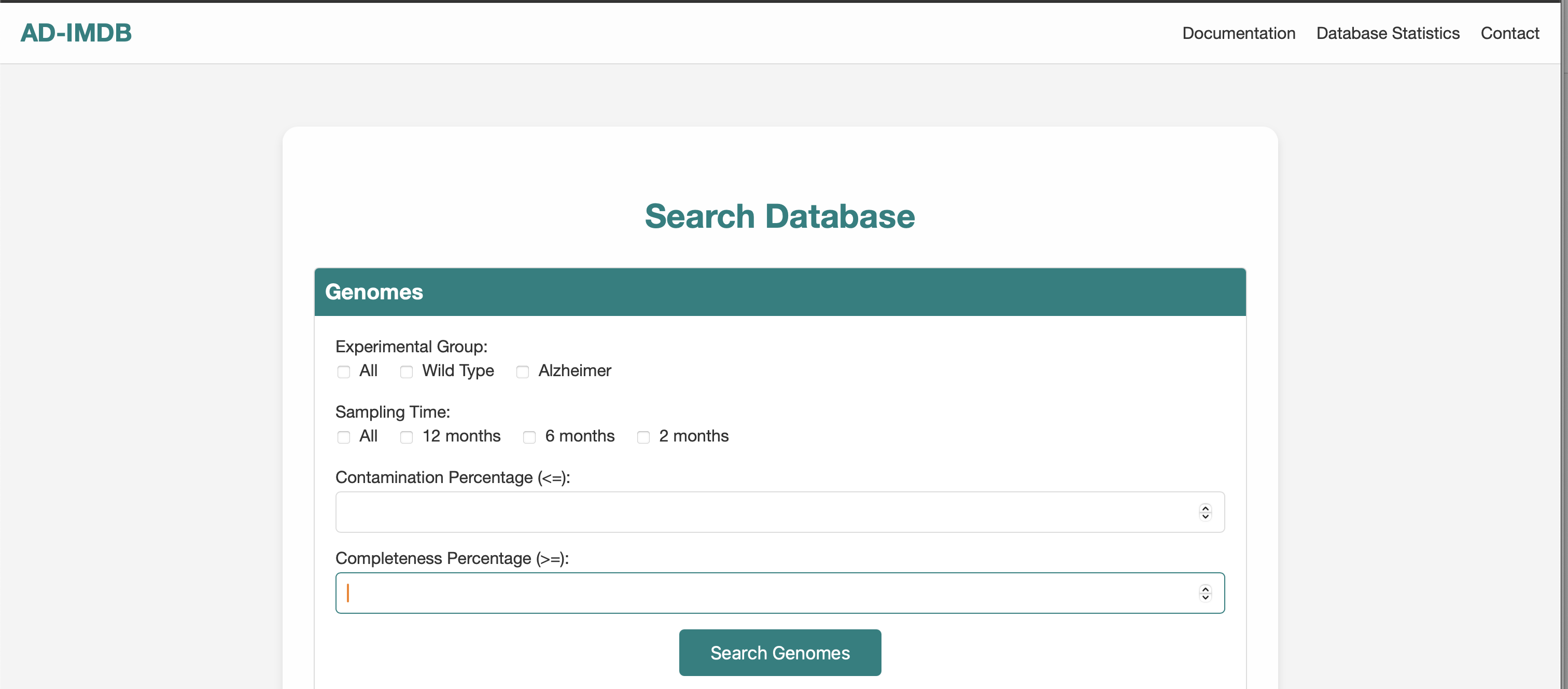
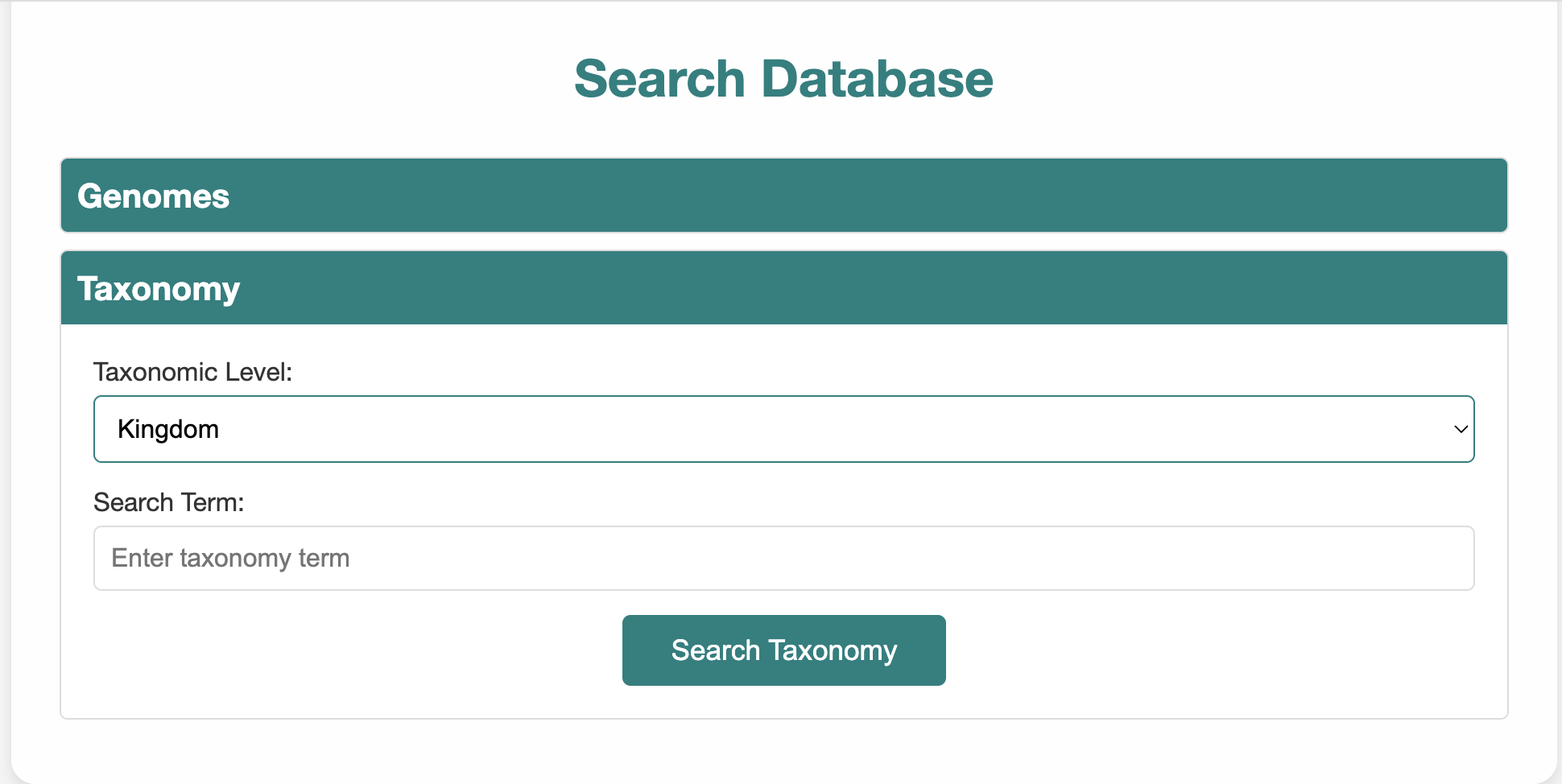
This page allows users to search annotated protein sequences using different functional annotation fields,
including PFAM domains, KEGG pathways, KEGG orthology identifiers, EggNOG orthologous groups, GO terms,
and annotation descriptions.
How to Use the Search
- Enter a Search Term
-
Examples:
CbiA,
map00640,
K03610,
COG0850,
GO:0008150,
minC
- Select Search Type
- PFAMs – Protein family domains
- KEGG Pathway – Metabolic or cellular pathways
- KEGG Orthology – Functional ortholog groups
- EggNOG OG – EggNOG orthologous group identifiers
- GO Terms – Gene Ontology functional terms
- Description – Text-based protein annotation descriptions
- Click the Search Button

Make sure your search term format matches the selected search type. For example, use
COG0850 when searching by EggNOG OG,
K03610 when searching by KEGG Orthology,
or GO:0008150 when searching by GO Terms.
Search Results Page
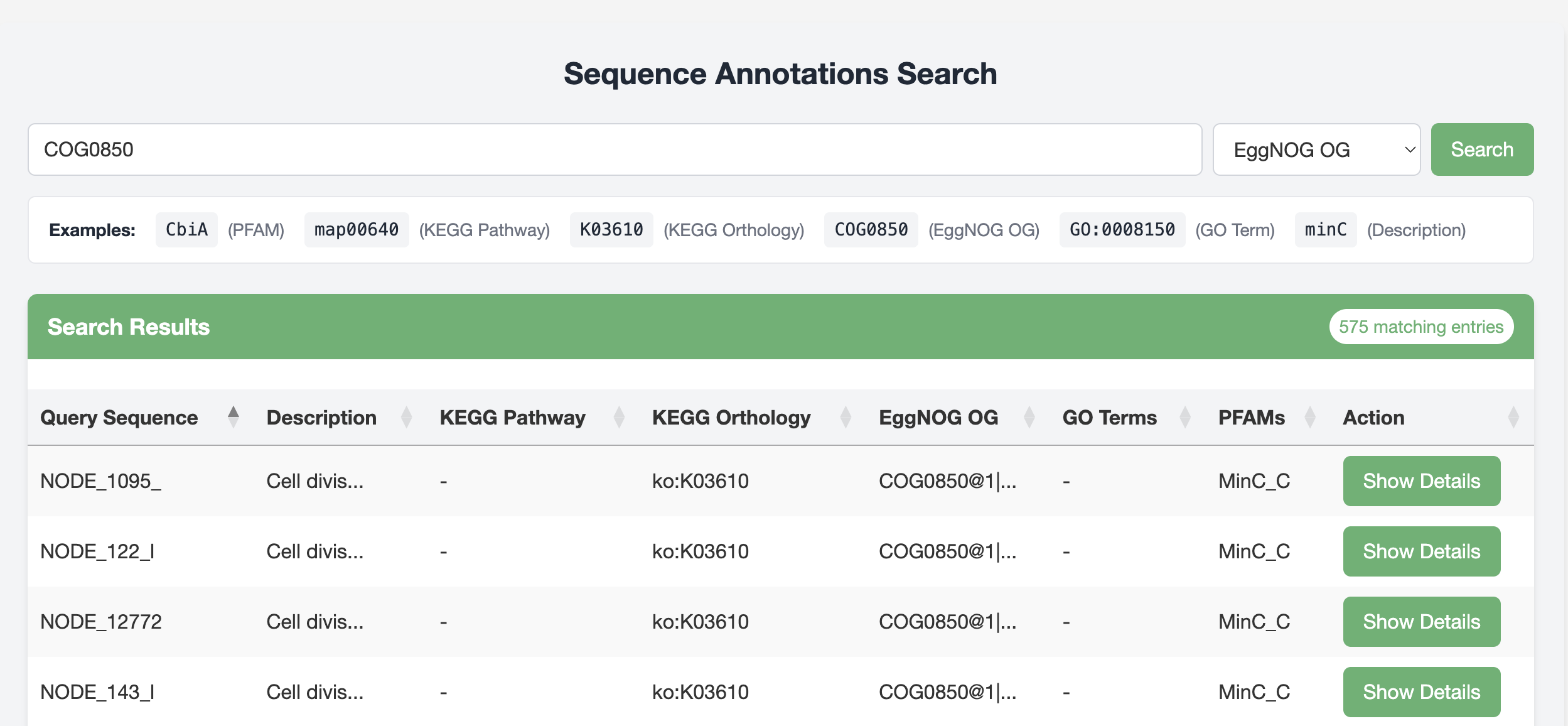
After submitting a query, matching protein annotations are displayed in a results table.
The table includes the query sequence identifier, functional description, KEGG pathway,
KEGG orthology assignment, EggNOG orthologous group, GO terms, PFAM domains, and an
action button for viewing additional annotation details.
Annotation Details Page
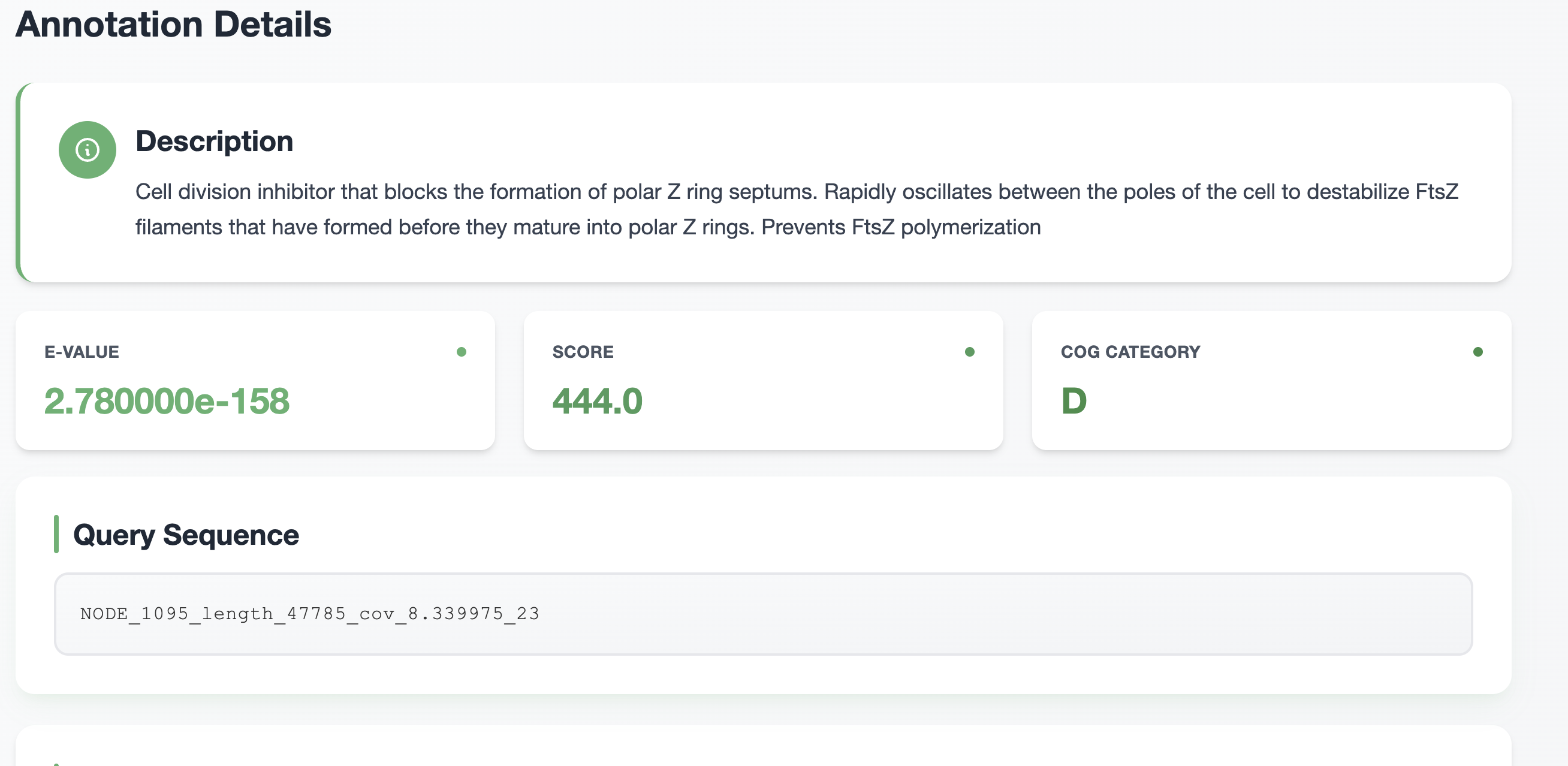
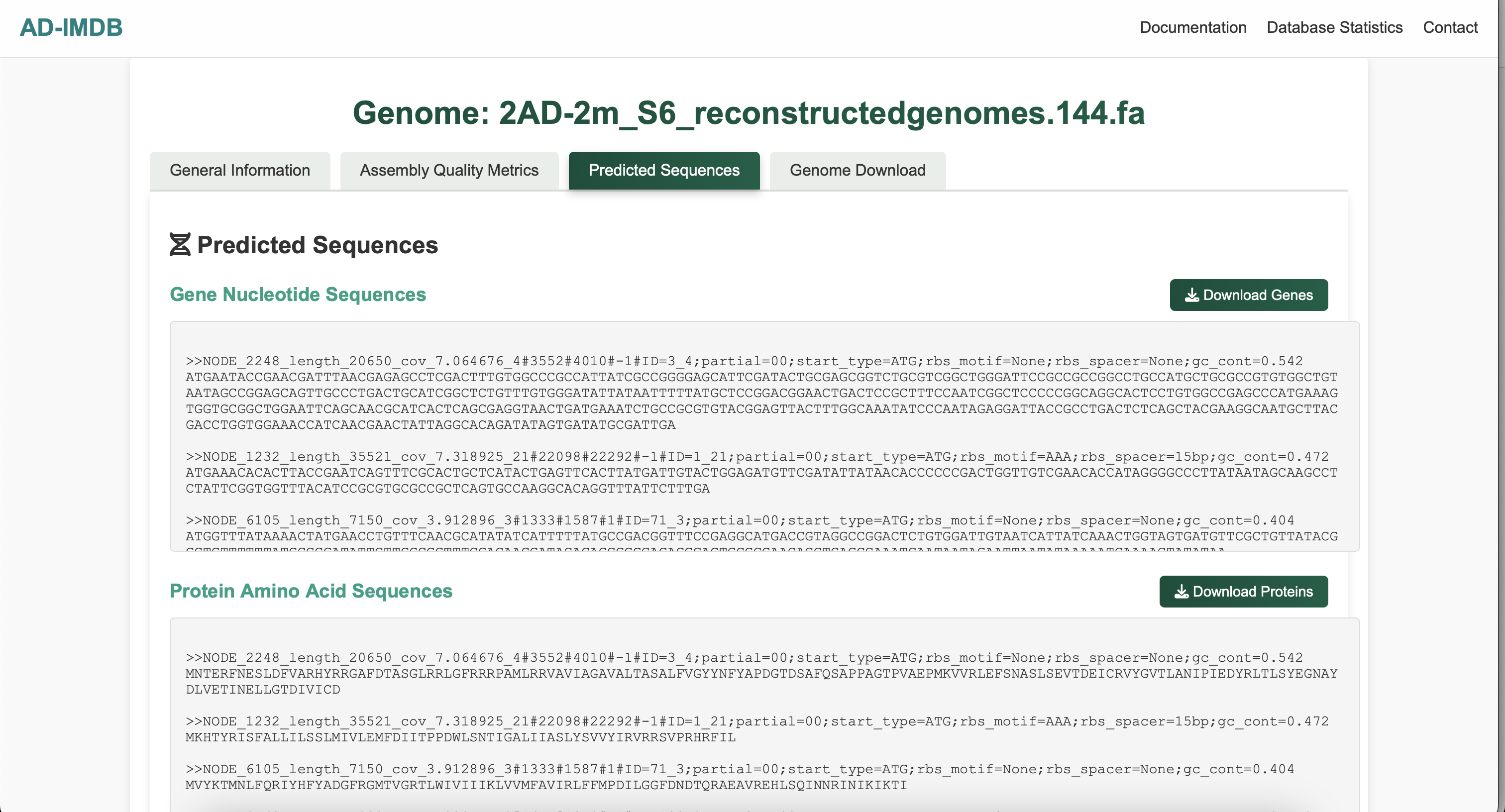
Clicking Show Details opens a detailed annotation page for the selected protein sequence.
This page displays the full annotation description, the query sequence identifier, and key annotation
metrics assigned during EggNOG annotation.It also provides additional protein-related information, including
the corresponding nucleotide sequence, amino acid sequence, and other available annotation metadata.
-
E-value: The statistical significance value associated with the EggNOG annotation match.
Lower E-values indicate stronger confidence in the assigned annotation.
-
Score: The bit score of the protein annotation match. Higher bit scores generally indicate
stronger sequence similarity and better-supported annotation assignments.
-
COG Category: The broad functional category assigned to the protein based on Clusters of
Orthologous Groups classification. For example, category D represents proteins involved in
cell cycle control, cell division, and chromosome partitioning.